
Titanic: The True Story Behind History's Most Famous Shipwreck
6 months ago
-- ADVERTISEMENT --
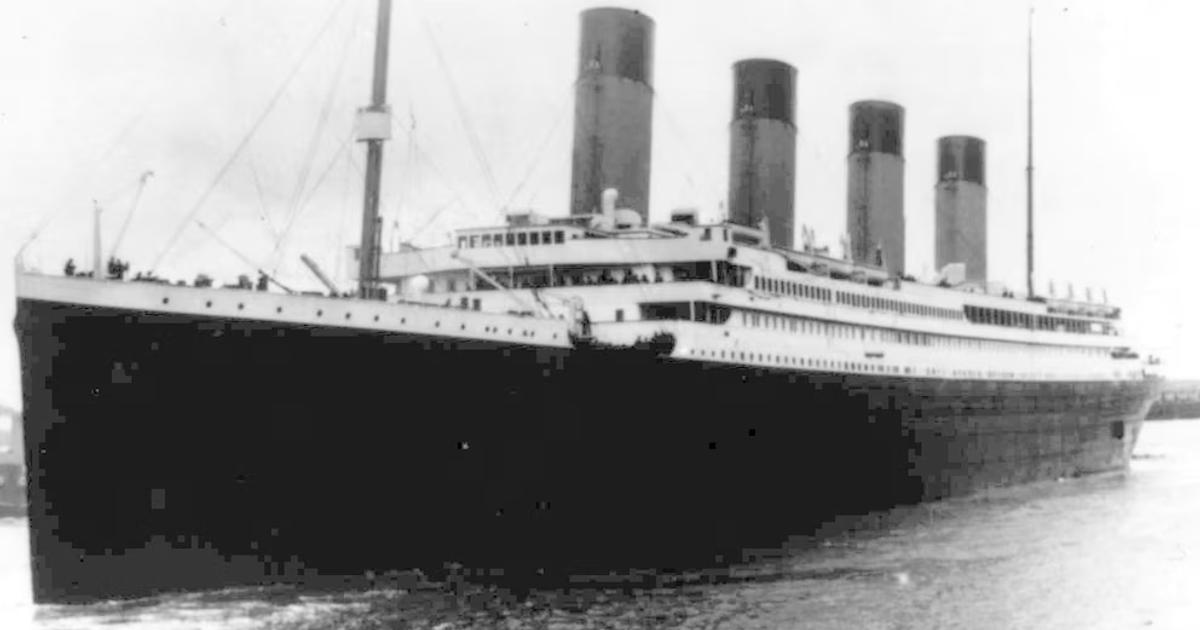
The era's most luxurious ship sank after striking an iceberg in 1912. Only 706 of the 2,200 people aboard survived this tragedy that changed maritime safety forever.
The RMS Titanic was one of the most impressive ocean liners built in the early twentieth century. Considered a masterpiece of naval engineering for its time, it represented the technological advancement, luxury, and industrial ambition of the era. Its maiden voyage in April 1912 sparked great international excitement.
The vessel departed on April 10, 1912, from Southampton, England, bound for New York. More than 2,200 people traveled aboard, including passengers from different social classes and crew members. The Titanic offered modern facilities, spacious lounges, elegant restaurants, and amenities that were uncommon in maritime travel at that time.
At 269 meters long and weighing more than 46,000 tons, the ship was among the world's largest vessels of its era. It featured 16 watertight compartments designed to enhance safety against potential maritime incidents, reinforcing its reputation as a highly reliable vessel.
-- ADVERTISEMENT --
On the night of April 14, 1912, while crossing the North Atlantic, the Titanic collided with an iceberg around 11:40 p.m. Despite the crew's maneuvering efforts, the impact damaged several compartments and compromised the ship's structural integrity.
Over the following hours, evacuation operations were organized. Although the vessel carried lifeboats, there weren't enough for everyone aboard by modern standards. Following maritime protocol of the era, women and children were prioritized for boarding first.
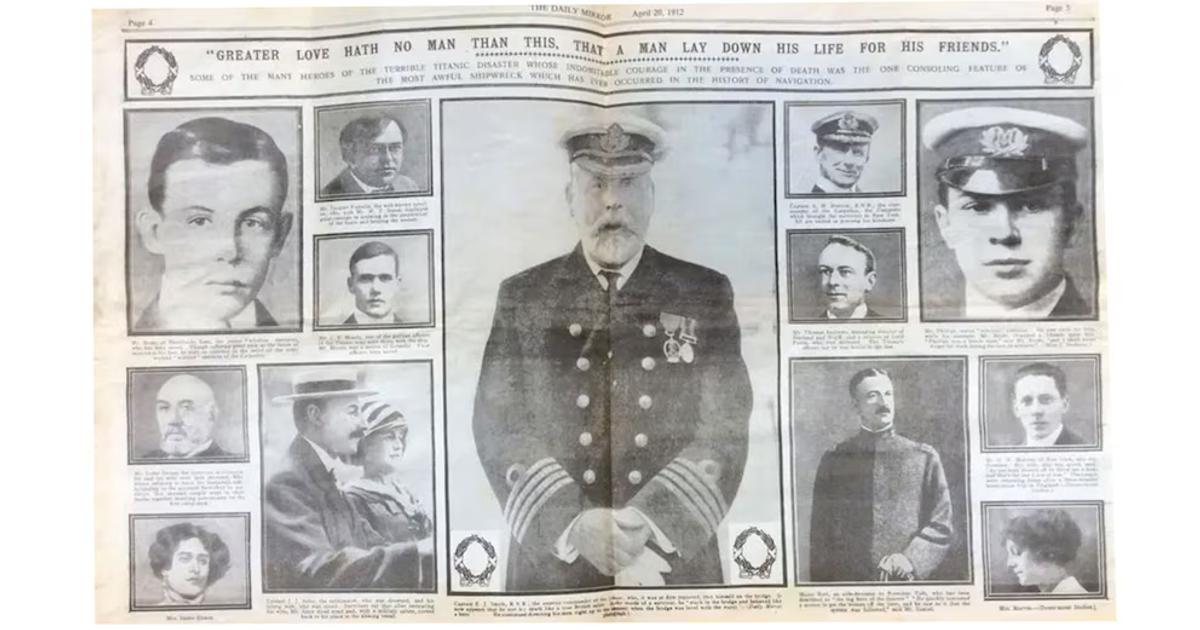
In the early morning of April 15, the Titanic sank into the North Atlantic waters. The RMS Carpathia responded to distress calls and successfully rescued 706 people who were in the lifeboats.
The event generated significant international impact. As a result, important reforms in maritime safety regulations were implemented, including the creation of the International Convention for the Safety of Life at Sea (SOLAS), which established new requirements for navigation and emergency equipment.
Decades later, in 1985, oceanographer Robert Ballard and his team located the Titanic's wreck at depths exceeding 3,800 meters, near Newfoundland. The discovery expanded our historical and scientific understanding of the shipwreck.
The Titanic's story has been the subject of extensive research, books, and films. Most notably, James Cameron's 1997 film, starring Leonardo DiCaprio and Kate Winslet, won 11 Academy Awards and renewed worldwide interest in this historical tragedy.
More than a century later, the Titanic remains a symbol of engineering achievement in its time and a powerful reminder of maritime safety's importance. Its story continues to captivate the interest and imagination of generations worldwide.
-- ADVERTISEMENT --
Source: infobae.com